

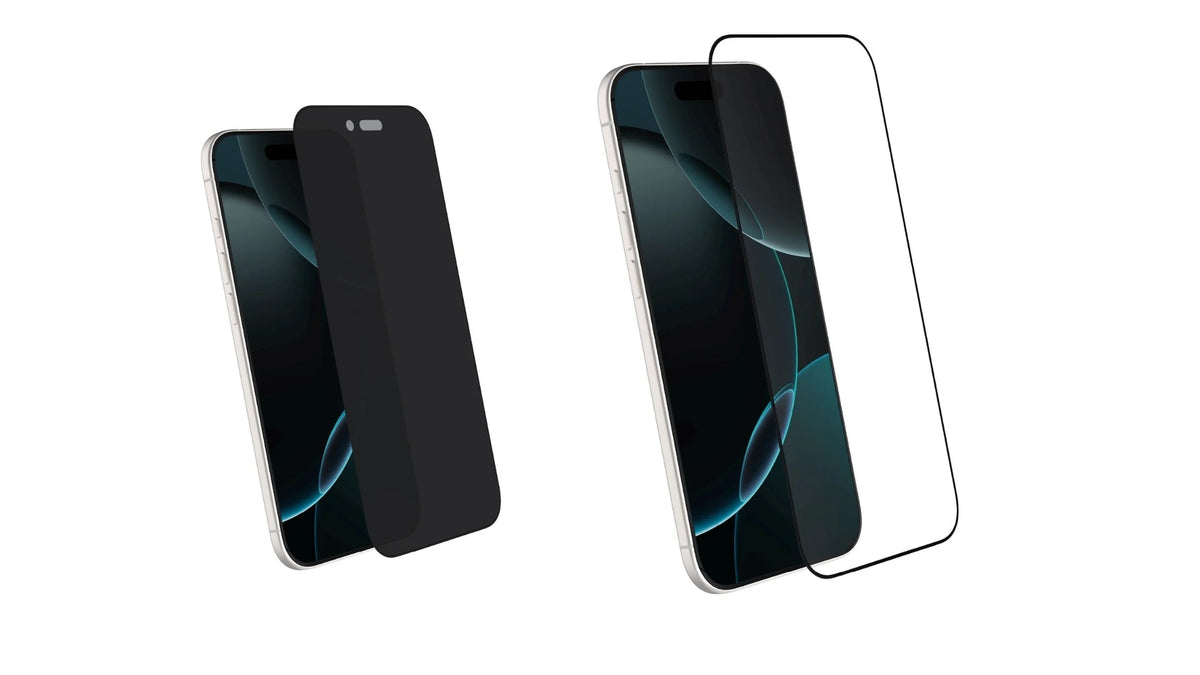
If you're wondering whether the iPhone 18 Pro needs a screen protector, the short answer is no. Neither the iPhone 18 Pro nor the Pro Max needs one to work properly. Still, a good protector adds a cheap, replaceable layer that takes scratches and some everyday knocks instead of the display.
Both phones use Ceramic Shield 2, and Apple is confident in it. In a 2026 interview, Apple's VP of Hardware Engineering, Tom Marieb, said he dislikes seeing screen protectors on iPhones. But an out-of-warranty screen repair still costs hundreds of dollars, and that's a real concern on a phone you just bought. This guide explains what the glass handles well, where it still falls short, and who benefits most from a protector.
How Durable Are the iPhone 18 Pro and Pro Max Screens?
Both screens resist scratches very well, but they aren't damage-proof. Apple's iPhone 18 Pro technical specifications list a Ceramic Shield 2 front and a Ceramic Shield back on both models. The Pro has a 6.3-inch display and the Pro Max has a 6.9-inch display.
Display size, resolution and brightness carry over from the iPhone 17 Pro. So the front of both phones behaves much like the 2025 Pro models.
Ceramic Shield 2
Ceramic Shield 2 is Apple's glass-ceramic cover glass with an Apple-designed coating on top. It isn't new for this generation. Apple introduced it on the iPhone 17 lineup in 2025 and carried it over to the iPhone 18 Pro and Pro Max.
Apple claims Ceramic Shield 2 offers three times better scratch resistance than the Ceramic Shield on the iPhone 16 series. Independent scratch tests of the iPhone 18 Pro support this. The screen showed light marks only at level 7 on the Mohs hardness scale (a 1 to 10 scale for mineral hardness), with deeper grooves at level 8. Ordinary glass typically scratches at level 5 or 6.
The display also has an anti-reflective coating that cuts glare. Keep this in mind, because a screen protector covers it. We explain what that means in the display quality section below.
Scratch Resistance vs Crack Resistance
Scratch resistance is how well the surface resists marks from harder materials rubbing across it. Crack resistance is how well the glass survives drops and impacts. A screen can perform very well on one and still be vulnerable on the other.
Independent drop tests from 2025 show the difference clearly. The iPhone 17 Pro, which uses the same Ceramic Shield 2 front, still shattered when testers dropped it face-down. So read "scratch-resistant" and "tough" for what they are. Neither one means scratch-proof or unbreakable.
Can the iPhone 18 Pro Screen Still Get Scratched?
Yes, the iPhone 18 Pro screen can still get scratched. The risk is lower than on older iPhones, but everyday life still brings hard particles into contact with the glass. These are the most common causes:
- Keys and coins: Most metal keys and coins are softer than Ceramic Shield 2. In independent tests, they mostly left surface material transfer rather than real scratches. The bigger issue is the grit they drag across the glass in a pocket.
- Sand and grit: This is the main risk. Quartz, the hard mineral in most sand, sits at about level 7 on the Mohs scale. That's exactly where Ceramic Shield 2 starts to mark, so beaches, job sites and gym bags matter.
- Face-down placement: Tables and counters often carry fine grit. One long-term iPhone 17 Pro owner reported no visible front scratches after nearly a year, partly because he never puts the phone face-down.
- Daily wear: Thousands of trips in and out of pockets and bags add up.
- Drops: A hard face-down fall on concrete can chip or crack the glass.
- Micro-scratches: Hairline marks often show only at an angle or with the screen off. They don't affect daily use, but they can lower trade-in or resale value.
Scratch-resistant doesn't mean scratch-proof. Where you use the phone and how you put it down matter as much as the glass itself.
What Does a Screen Protector Actually Protect Against?
A screen protector mainly protects against scratches and scuffs, and only partly against cracks. It works as a sacrificial layer. It takes the damage so the factory glass doesn't, and you can replace it cheaply when it wears out.
- Everyday scratches and scuffs: This is where a protector earns its place. Sand and grit mark the protector instead of the display, and you can swap in a new one in a few minutes.
- Drops and cracked screens: Be realistic about the limits here. Tempered glass can absorb some impact energy and may crack in place of the display. It can't stop a hard face-down drop from breaking the screen underneath, so it doesn't replace a case or AppleCare+.
A cracked screen on a new phone is frustrating, and the repair bill is the main reason many owners add a protector. These are the reported out-of-warranty screen repair prices for 2026:
- iPhone 18 Pro Max (US): USD 379, or USD 29 with AppleCare+
- iPhone 18 Pro (US): Check Apple's official repair pricing page for the current cost.
- iPhone 18 Pro (Canada): CAD 429
- iPhone 18 Pro Max (Canada): CAD 499
Prices vary by country and can change, so check Apple's iPhone repair pricing for the current fee where you live.
Do You Need a Screen Protector If You Use a Case?
Yes, most people benefit from both, because a case and a screen protector cover different parts of the phone. A case protects the back, corners, edges and camera. Its raised lip around the screen also helps when the phone lands flat on its face.
A screen protector covers the display surface itself. That's where grit, pocket wear and face-down contact do their damage. A case lip can't stop sand from rubbing across the glass.
| Setup | Protects screen from scratches | Protects corners, edges and camera | Helps on drops | Best for |
|---|---|---|---|---|
| Case only | Partly (raised lip only) | Yes | Good on corner and edge drops | Careful users, desk and indoor use |
| Screen protector only | Yes | No | Limited, since corners and back stay exposed | People who dislike cases but carry the phone in pockets |
| Both | Yes | Yes | Best of the three | Most people, especially without AppleCare+ |
For most owners, using both is the lowest-risk setup. A case alone suits careful indoor users, while a protector alone leaves the corners and camera exposed.
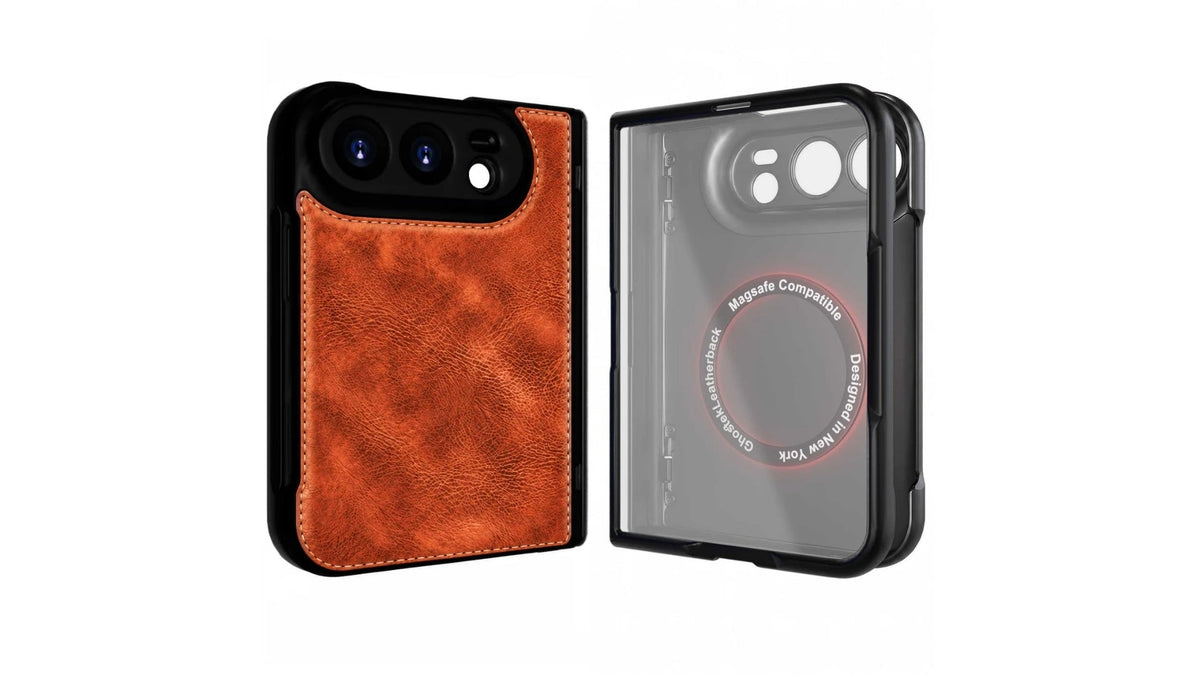
At Ghostek, we make iPhone 18 Pro cases and iPhone 18 Pro Max cases in slim clear and rugged styles. If drops are your main concern, our ATOMIC Slim case for the iPhone 18 Pro adds an aluminum frame for stronger drop protection.
Does a Screen Protector Affect iPhone 18 Pro Display Quality?
A good screen protector has little visible effect, but cheap or specialty protectors can change how the screen looks and feels. If you chose the Pro partly for its display, check these points before you buy:
- Clarity: Good tempered glass is close to invisible. Cheap plastic films can look hazy.
- Brightness: A quality clear protector has little visible effect, even at the 3,000-nit outdoor peak Apple lists. Privacy and matte protectors noticeably cut brightness.
- Color: Clear glass keeps colors accurate. Tinted and privacy protectors can shift them.
- Reflections: A glossy protector covers the phone's anti-reflective coating, so glare depends on the protector's own surface. Matte protectors reduce glare but add a slight texture.
- Touch and gestures: Thin tempered glass usually feels like the bare screen. Thick or poorly fitted protectors can feel dull, and a lifting edge can interfere with edge swipes.
- Smudges: The iPhone 18 Pro has a fingerprint-resistant oleophobic coating. A protector needs its own coating, and cheap ones tend to smudge faster.
The type and quality of the protector matter more than whether you use one at all.
Can a Screen Protector Affect the Front Camera or Face ID?
Yes, the wrong protector can affect the front camera or Face ID. Both sit in the Dynamic Island area at the top of the display. A misaligned cutout, or a thick or tinted layer over the sensors, can blur selfies or make Face ID less reliable.
Privacy protectors carry the most risk when their makers don't design them around the sensor area. Buy a protector that its maker lists for your exact model, and use the alignment frame if one comes in the box. Older protectors may not line up correctly, which we cover in the FAQ below.
Who Should Use an iPhone 18 Pro Screen Protector?
A protector makes the most sense if your routine puts the screen at higher risk or you plan to sell the phone later. An iPhone 18 Pro screen protector is a good fit if any of these apply to you:
- No AppleCare+: You'd pay the full repair price for any screen damage.
- Outdoor work or travel: Beaches, job sites and dusty places bring sand close to the glass.
- Pocket and bag carry: Keys, coins and loose grit share space with the phone.
- Resale plans: A clean screen helps trade-in and resale value.
- Shared with kids: Children drop phones more often and rarely put them down gently.
- Privacy or glare needs: Ceramic Shield 2 can't add a privacy filter or matte finish, but a protector can.
You can reasonably skip it if you use a case, have AppleCare+, keep the phone mostly indoors, and don't mind some minor wear over time.
Our Recommendation: Should You Use a Screen Protector?
We recommend a screen protector for most iPhone 18 Pro and Pro Max owners, but it's optional rather than essential. Apple's claims and independent tests both point to Ceramic Shield 2 being Apple's most scratch-resistant iPhone front glass so far. The phone isn't fragile without a protector.
The real argument for one is cost. A good protector costs a small fraction of a single screen repair, and it keeps the glass clean for resale. If you don't have AppleCare+, spend time outdoors, or carry the phone loose in a pocket, pair a model-specific protector with a case.
If you're a careful indoor user with a case and AppleCare+, you can skip the protector with little risk. The iPhone 18 Pro doesn't strictly need a screen protector, but for most owners it's a low-cost way to avoid an expensive repair.
iPhone 18 Pro and Pro Max Screen Protector FAQs
Does Apple install a screen protector on the iPhone 18 Pro?
No, Apple doesn't add one at the factory. The phone ships with Ceramic Shield 2 as its only front protection, and Apple doesn't list a screen protector as a requirement for either model.
Does the iPhone 18 Pro come with a screen protector?
No. Apple doesn't include a separate screen protector with the iPhone 18 Pro. If you want additional screen protection, you'll need to purchase one separately.
Can you put a new screen protector over a scratched screen?
Yes. A protector can make light scratches less visible and stop them from getting worse. Deep scratches may still show through, and they can sometimes weaken how well the protector sticks.
How often should you replace an iPhone screen protector?
Replace it when it's cracked, chipped, lifting at the edges, or visibly scratched where you look most. There's no fixed schedule, so let its condition decide.
Should you replace a cracked screen protector immediately?
Yes, as soon as you can. Cracked glass edges can cut your fingers and collect grit. A cracked protector also stops protecting the display properly.
Can dust under a screen protector scratch an iPhone?
It can. Hard particles trapped under pressure may mark the glass. Install the protector in a clean, low-dust room and use the cleaning wipes and dust stickers if the kit includes them.
Can you reuse an iPhone 18 Pro screen protector?
Generally no. Tempered glass usually bends or loses its grip once you peel it off. A fresh protector is the safer choice.
Will an iPhone 17 Pro screen protector fit the iPhone 18 Pro?
Possibly, but don't assume it. Protector makers disagree about whether iPhone 17 Pro protectors line up on the iPhone 18 Pro. Use one only if its maker lists the iPhone 18 Pro, or both models, by name.
Will an iPhone 18 Pro screen protector fit the Pro Max?
No. The Pro has a 6.3-inch display and the Pro Max has a 6.9-inch display, so the sizes don't match. Buy a protector made for your exact model.

Leave a comment
This site is protected by hCaptcha and the hCaptcha Privacy Policy and Terms of Service apply.